She needed permission.
Not because her parents were anti EV. They were anti risk. The kind of parents who hear one scary story and treat it like a guarantee.
Their fear was simple:
“What if you run out of charge and get stranded?”
And honestly, it was a fair question. In Pakistan, “I’ll figure it out” is not a plan. Especially not when you are the one coming home late.
The real objection was not the bike
Her parents were fine with the idea of electric.
They were not fine with uncertainty.
- Where will you charge?
- What if the place is closed?
- What if it is blocked?
- Who will help you?
- How will you pay?
Their worry was not about range. It was about everything around range.
She said it perfectly:
They didn’t say no to the bike. They said no to the risk.
She stopped arguing and started showing
Instead of debating, she did a simple thing.
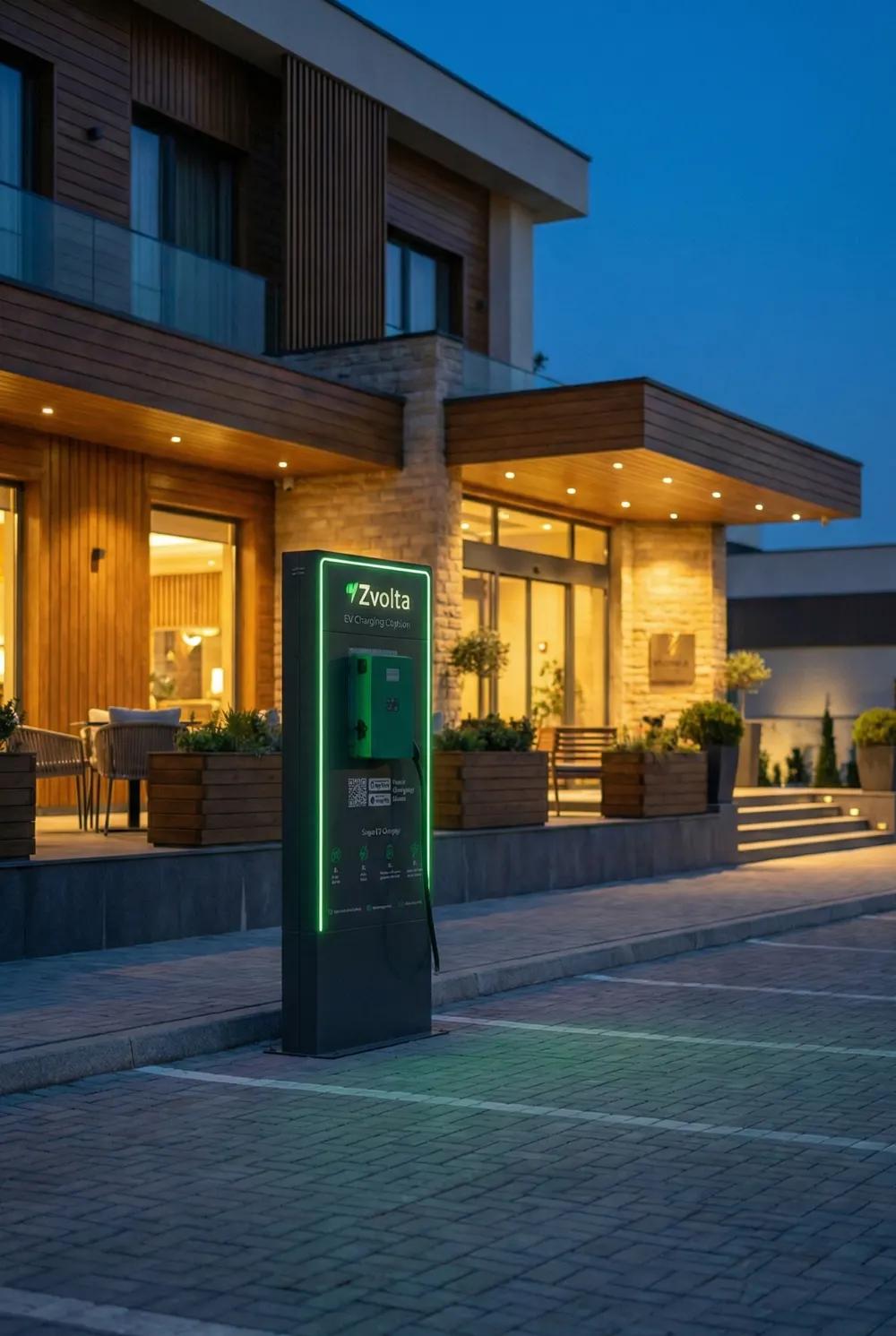
She opened Zvolta.
Then she mapped her actual week like a normal person:
- Home to university
- University to tuition
- Tuition to a friend’s place
- And back
She showed her father where chargers were on that route, the kind of places they are, and what it would look like to stop and charge without drama.
Not a presentation. Just a phone screen and a calm voice.
The moment her dad relaxed
The turning point was not “look how many chargers there are.”
It was when he realized she would not need to rely on strangers.
With Zvolta, she could pull up, plug in, start the session herself, and pay through the app.
No asking someone to turn it on.
No standing at a counter explaining what she needs.
No cash handling.
No awkward dependence.
For a parent, that autonomy reads as safety.
Her dad didn’t say it dramatically. He just nodded and said:
So you can do it yourself?
That sentence was basically yes.
Why this is becoming a common story
A lot of people assume EV adoption is about pricing or environmental awareness.
In Pakistan, a huge part of it is family trust.
Parents approve what feels safe.
Safety often looks like predictability.
And predictability comes from infrastructure you can actually see and use without friction.
That is why apps and networks matter as much as vehicles.
Quick answers people usually ask
How do you convince parents to allow an EV bike?
Show a real route plan. Parents are convinced by predictability more than arguments. If they can see where charging happens and how you will handle it independently, the fear drops.
What makes EV bikes feel safer in Pakistan?
Visible charging locations, reliable availability, and a self-serve charging flow that does not require staff or strangers to help.
What does Zvolta change in this story?
It turns charging into a routine. She can find chargers, start sessions, and pay in-app, which makes the whole experience feel controlled and safe.
The takeaway
Her parents did not become EV fans overnight.
They just stopped imagining worst case scenarios.
Because once charging looks like a normal stop you can manage yourself, it stops feeling like a gamble.
And that is how a lot of adoption will happen here: not through big speeches, but through small moments of trust.