The 10% That Closes Deals
If you sell EV bikes in Pakistan, you already know the hardest part is not the product.
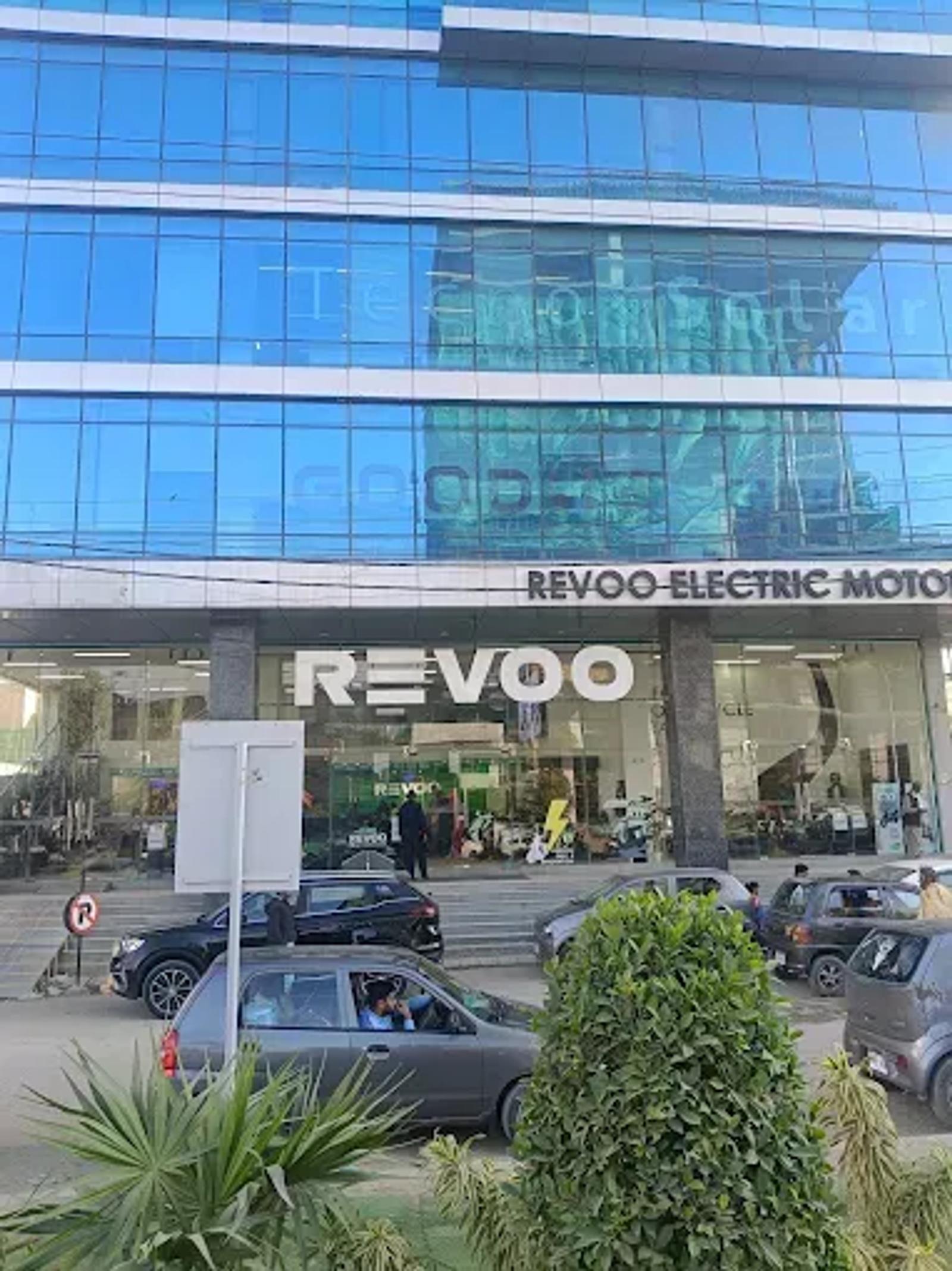
Most people walking into an EV bike showroom are already halfway convinced. They’ve done the fuel math. They’ve seen the running cost difference. They’re not here for inspiration. They’re here to confirm the decision they’ve already calculated.
The friction usually shows up later, in smaller doubts. Not deal breakers. Just the kind of doubts that slow a yes into a maybe.
And that’s where visible charging infrastructure does something powerful.
Not because everyone needs it daily. A lot of people will charge at home and be perfectly fine.
But because seeing a real network in progress and working out in the open makes the whole choice feel safer, more normal, and easier to commit to.
The infrastructure is not the reason they buy. It’s the reason they buy faster.
Most buyers are not thinking, “I need public charging every day.”
They’re thinking, “If I ever need it, will it exist?”
“If I’m out longer than planned, will I have options?”
“If I’m switching from petrol, am I stepping into a system or a gamble?”
So when a brand can show charging happening in real life, it quietly removes hesitation.
A salesperson put it in the most accurate way:
People are already sold on saving fuel. Infrastructure just makes them stop overthinking it.
What changed when charging became visible
A showroom charger doesn’t magically create demand.
What it does is shorten the distance between interest and decision.
Because now, the conversation moves from abstract to tangible.
Instead of a long explanation about “future plans,” the staff can point to something working.
Right here.
And the questions change.
Not “Can this work in Pakistan?”
But “How long does it take?”
Not “What if I get stuck?”
But “How much does it cost per charge?”
That shift is conversion-friendly. It turns anxiety into logistics.
Why the showroom charger matters even if people charge at home
Home charging covers the routine.
Public charging covers the edge cases.
And people don’t buy vehicles based on the routine alone. They buy them based on whether the edge cases feel manageable.
One buyer said it like this, almost casually:
I’ll charge at home mostly. I just want to know I’m not stuck if something happens.
That’s the real value of infrastructure for EV bikes. Confidence, not dependency.
The second order benefit: dealers become easier to onboard
This part is more strategic, and manufacturers feel it before customers do.
When you’re trying to expand through dealers, you’re not just selling bikes. You’re selling belief.
Dealers ask:
- Will people actually buy these?
- Will I be stuck explaining charging all day?
- Will this look like a risky category to bet on?
If the manufacturer can show a growing, functional charging network, it helps dealers feel like they’re joining a wave instead of taking a leap.
Infrastructure is not the primary concern, but it is proof that the ecosystem is forming.
And proof sells.
The underrated part is keeping it simple
A charger at a showroom is great until someone has to manage it.
- Who starts sessions?
- Who handles payment?
- Who deals with “it’s not working”?
- Who gets blamed when someone is confused?
That is how “good idea” turns into daily friction.
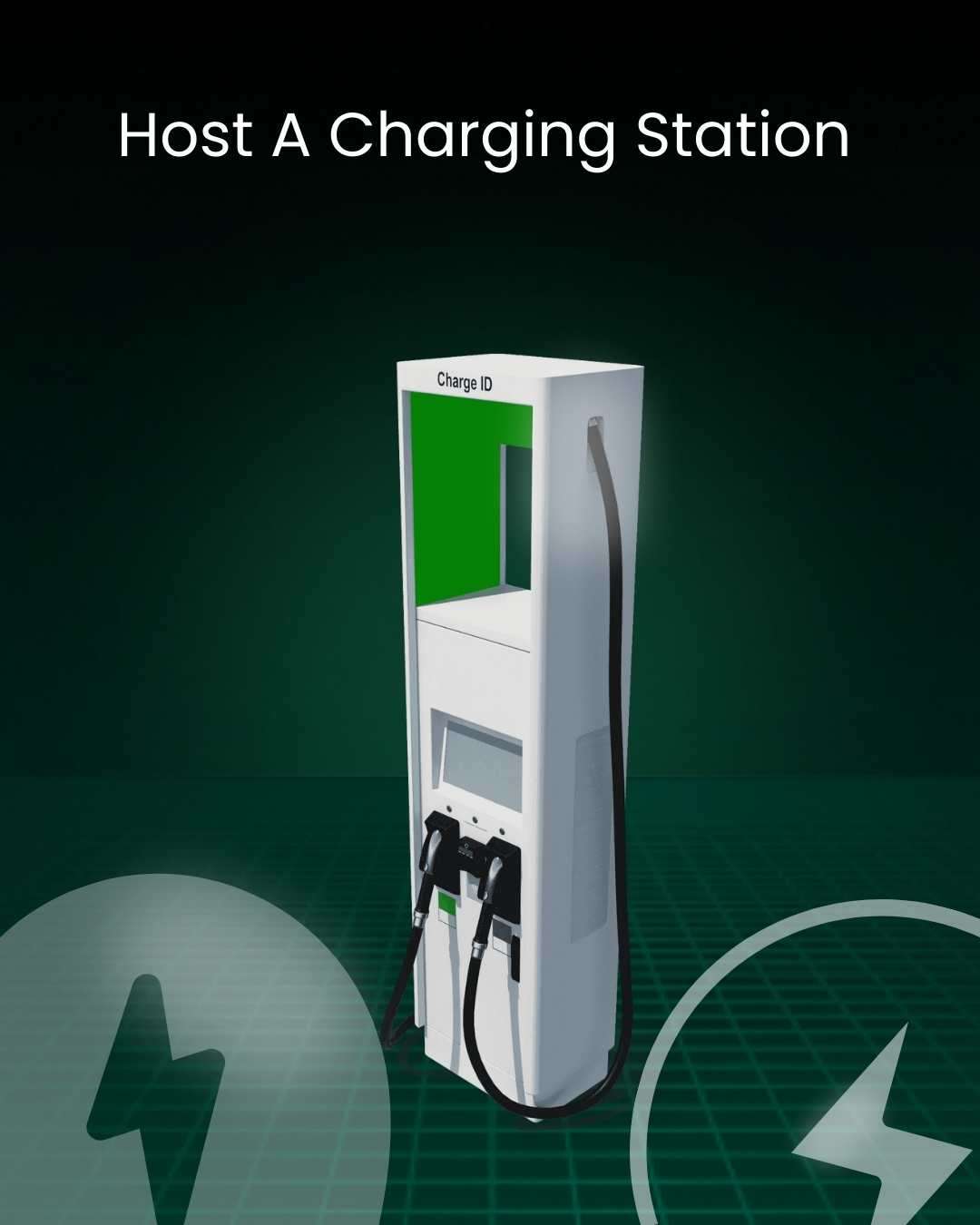
This is where Zvolta fits naturally.
Because the brand doesn’t want staff acting like human charging operators.
With Zvolta, the charger can run self-serve. Customers can start a session through the app, and payments are handled in-platform. The showroom team isn’t collecting cash, negotiating amounts, or turning the front desk into a charging counter.
It stays what it should be: a confidence-building touchpoint, not a new job role.
The bigger win: buyers start imagining ownership
When customers see charging working and understand the flow, they stop thinking like shoppers and start thinking like owners.
- Where would I charge if I’m out late?
- How would it work on a longer day?
- Could I top up near work sometimes?
Those are commitment thoughts. And they form faster when the ecosystem feels real.
Quick answers buyers usually ask
Does public charging affect EV bike sales if people can charge at home?
Yes, because it reduces edge-case anxiety. Even if home charging covers 90 percent of usage, public charging makes the remaining 10 percent feel safe.
Why does visible infrastructure improve conversion?
Because it turns EV ownership from a concept into a system you can see, trust, and plan around.
How does Zvolta help in a showroom or dealer context?
By keeping charging self-serve and automated so staff don’t manage sessions or payments, while customers get a clean, independent experience.
The takeaway
Most EV bike buyers in Pakistan are already motivated by savings.
Infrastructure doesn’t create that motivation.
It simply removes the last bit of doubt that slows the decision.
A showroom charger shows the ecosystem is real. A wider network makes it feel inevitable.
And that makes conversions easier. For buyers and for dealers.