Rickshaws & driver network
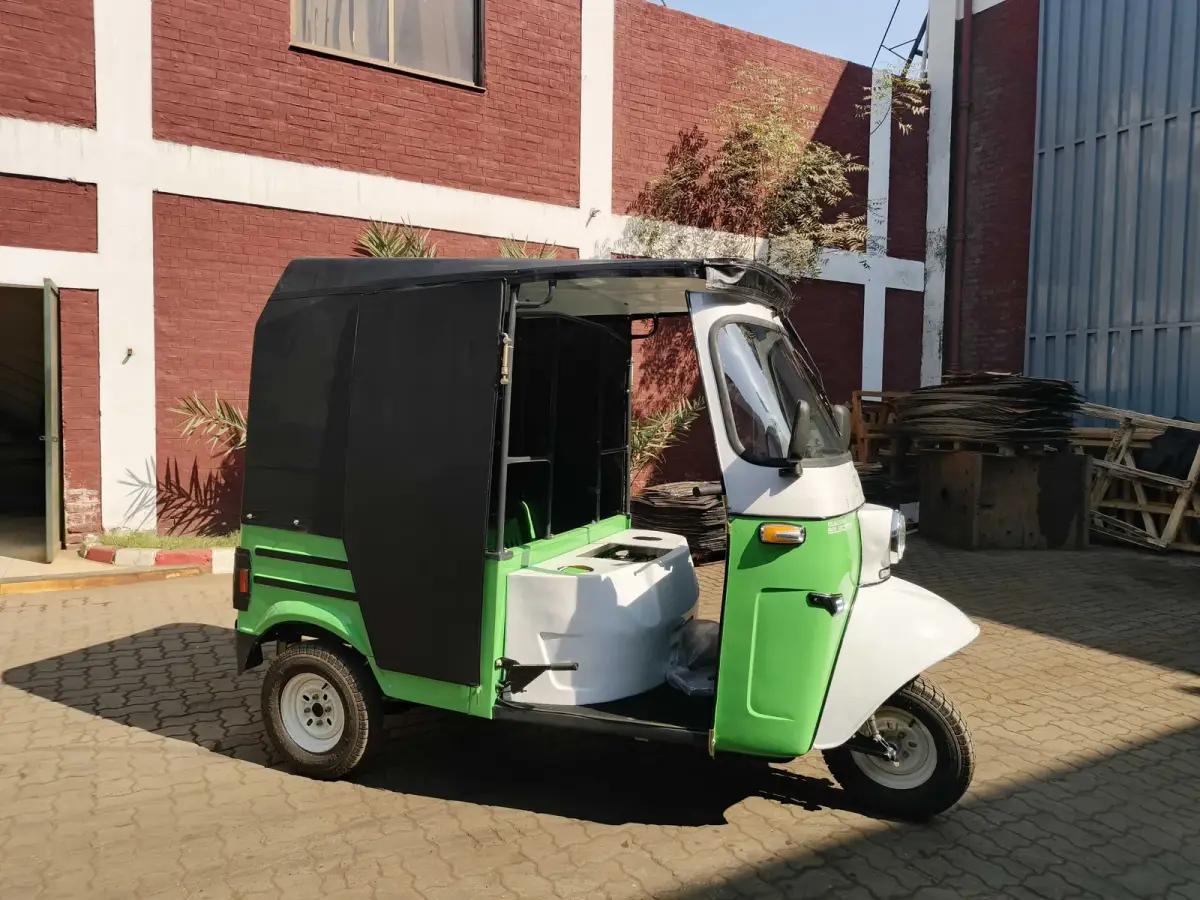
Why electric rickshaws can change daily transport economics
Lower running costs and cleaner operations can help drivers, fleet owners, and communities move toward a more sustainable transport model.
What this means for the network
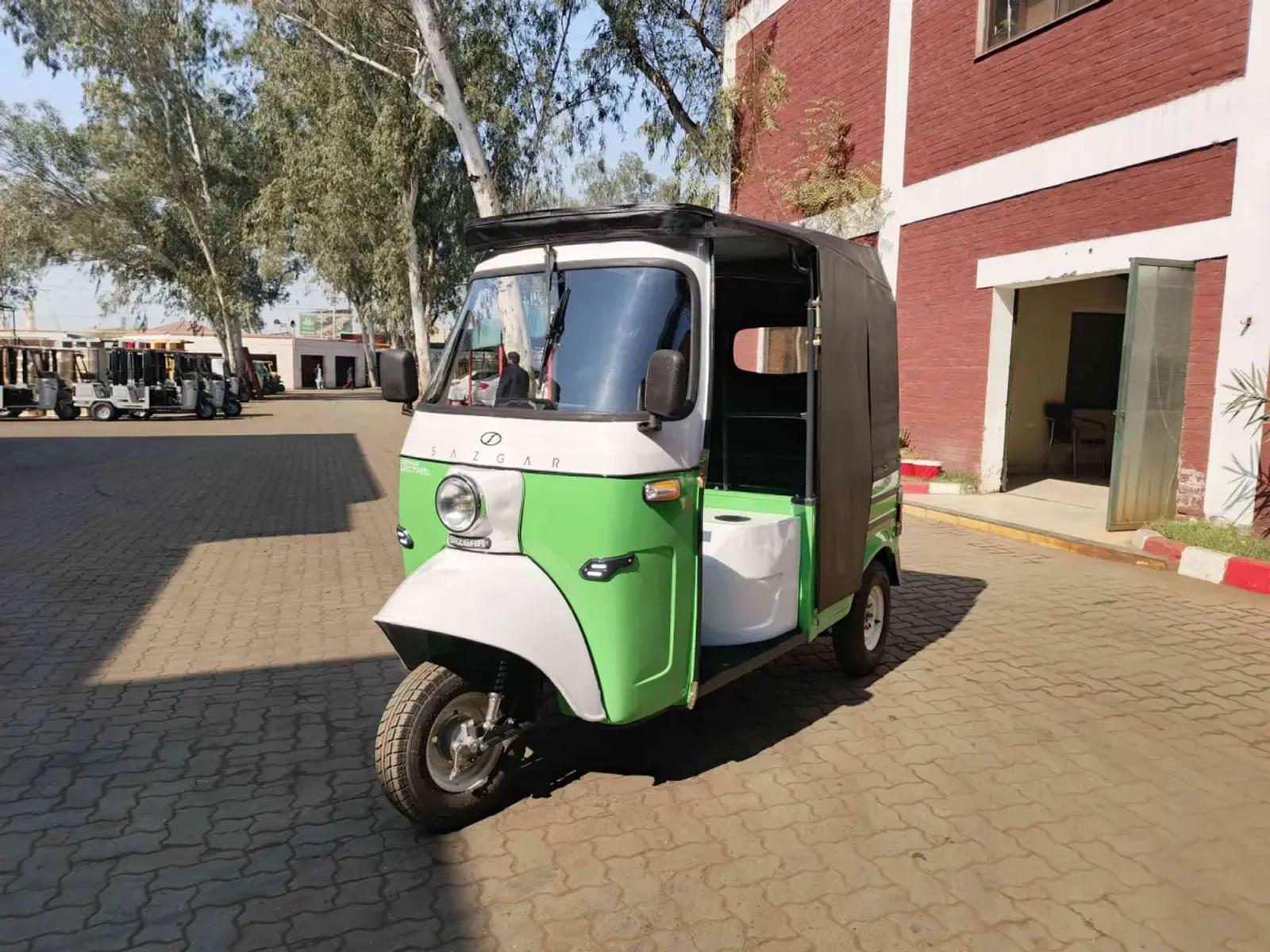
Electric rickshaws make the most sense when the full operating picture is considered: energy cost, maintenance, route consistency, charging access, and rider demand.
For drivers, predictable charging and a managed vehicle program can reduce friction. For fleet operators, the benefit comes from clear utilization data and a support system that keeps vehicles on the road.
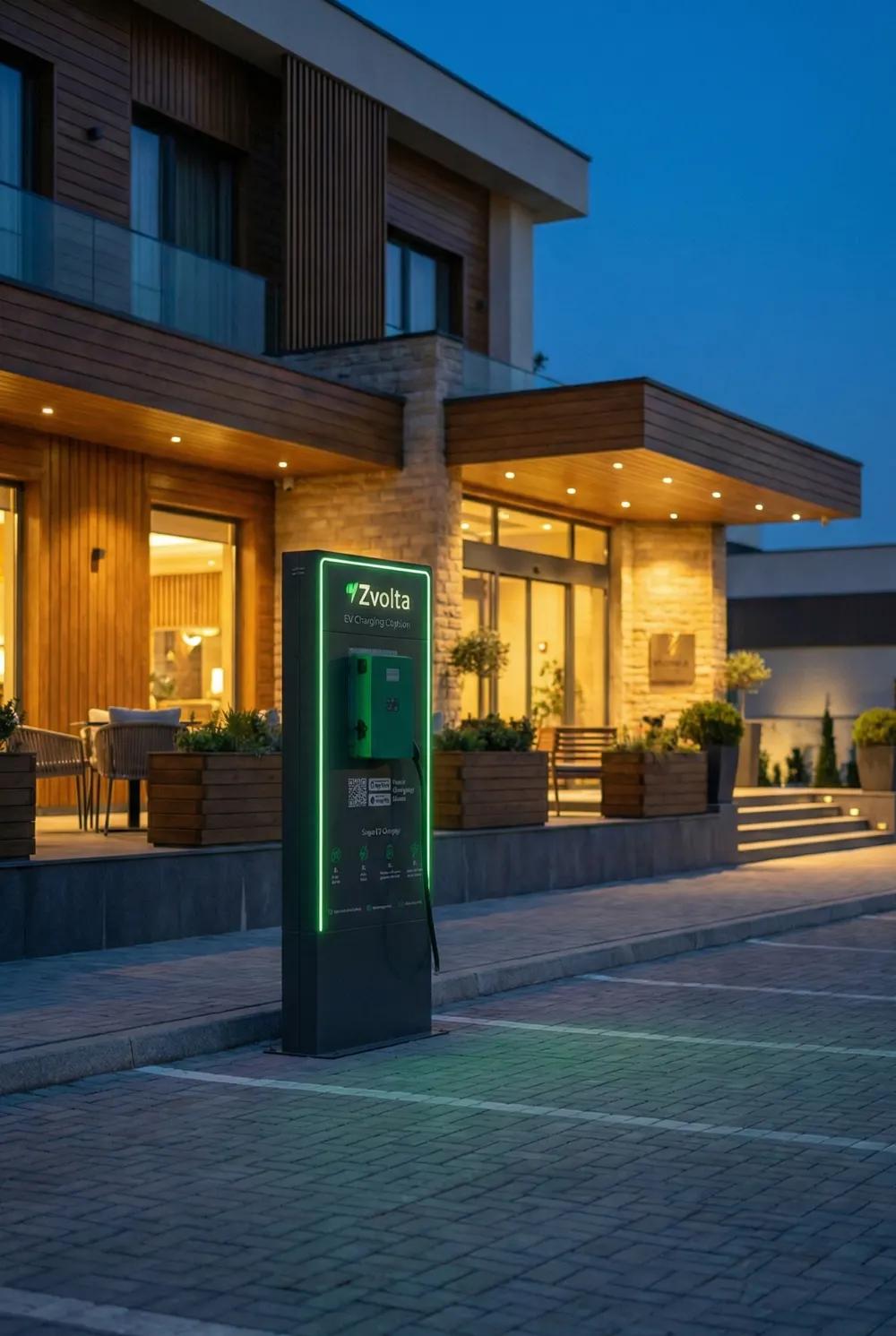
The strongest charging investments connect vehicle demand with charging access. That pairing is what turns electric mobility from a one-time purchase into a working transport system.
Key takeaways
- Reduced fuel dependency
- Managed fleet support
- Better cost visibility
- Cleaner last-mile movement