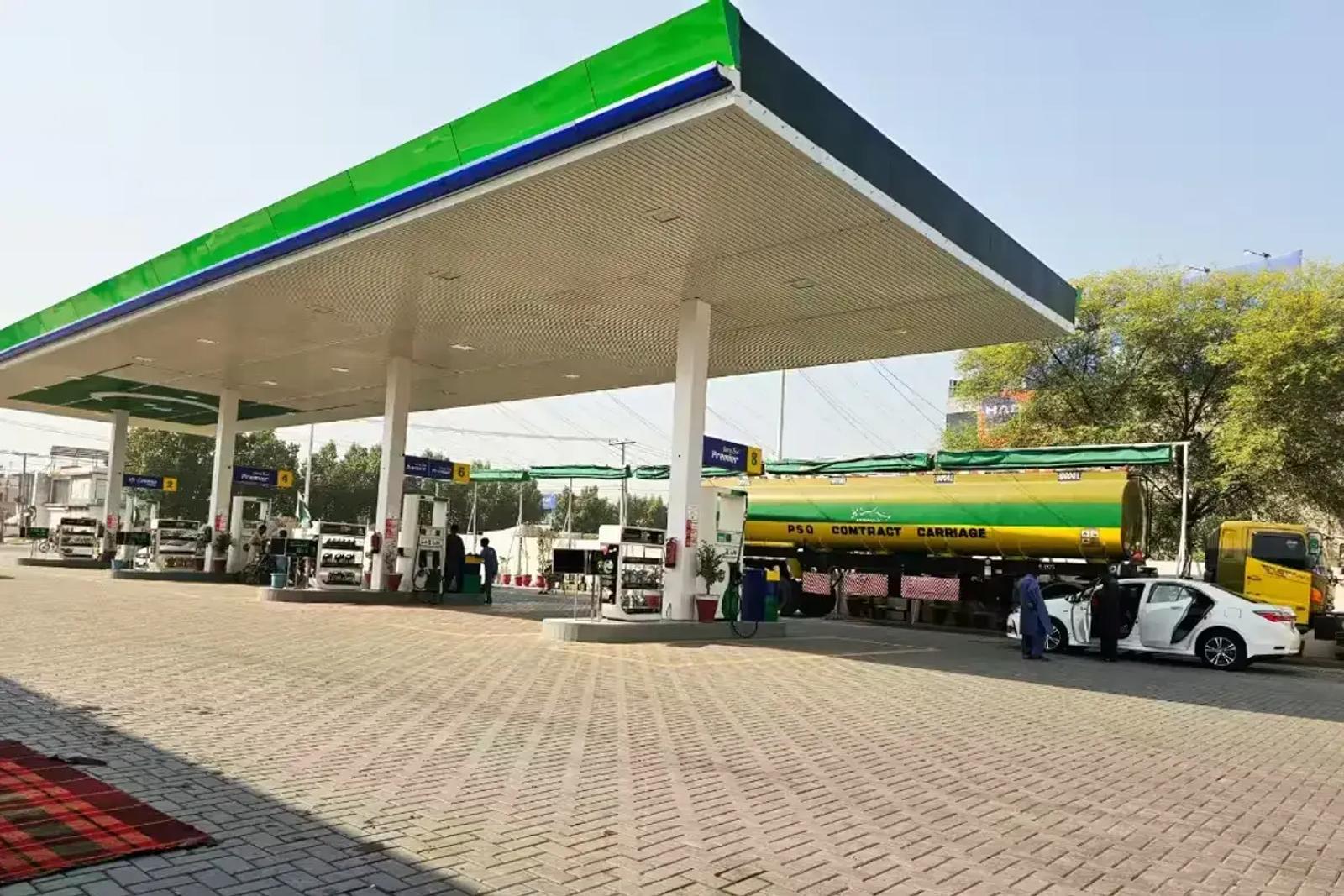
Pull in. Fill up. Pay. Leave.
So when a fuel station adds an EV charger, it’s easy to assume it’s just “another service” for a small group of customers.
But what this station noticed was something more interesting:
EV charging doesn’t just bring cars, it brings time.
And time is exactly what turns a forecourt stop into a store visit.
The difference EV charging creates
Petrol customers are in and out in minutes.
EV customers aren’t.
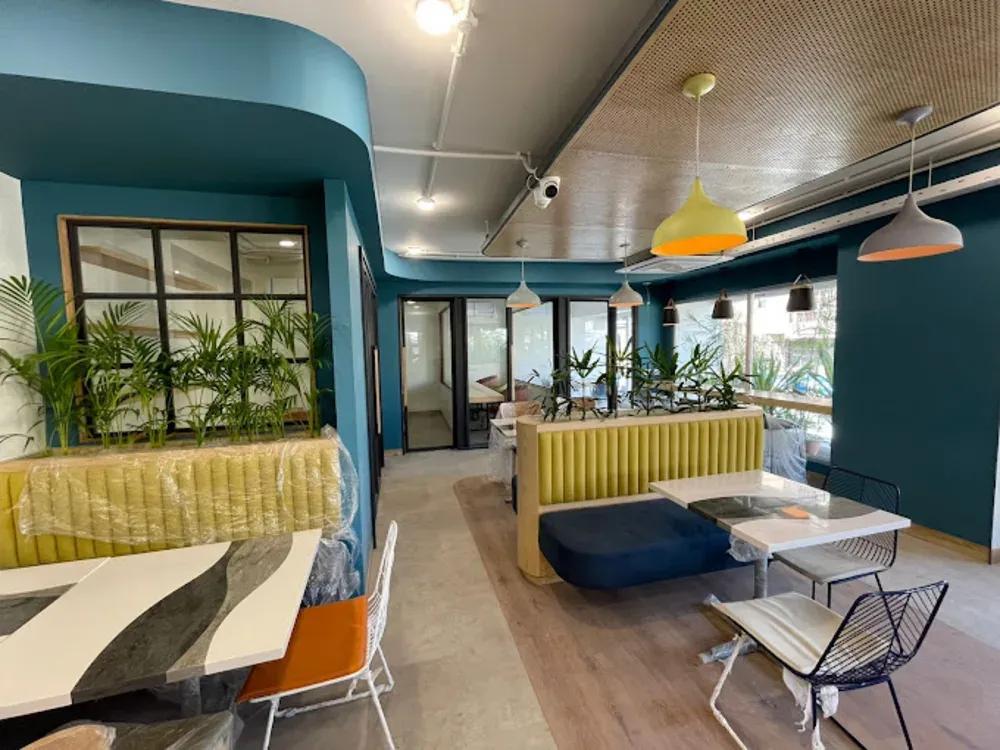
They’re on-site long enough to actually do something:
- grab a drink
- pick up snacks
- use the washroom
- browse the shelves
- sit for a bit
- come back in for “one more thing”
A staff member described it in the simplest way:
“They’re not rushing. They actually look around.”
That small behavior shift changes the economics of a stop.
And for the station team, the biggest relief was that charging didn’t add a whole new “job” to manage. With Zvolta, the charger runs like a self-serve service: customers start the session through the app, the system handles the flow, and the station doesn’t need someone standing around just to “operate” a charger.
“Footfall” is not the point. Conversion is.
This station didn’t suddenly become crowded every hour.
But the people who did come to charge started converting differently.
More customers entered the shop.
More customers bought more than one item.
More customers treated the station like a mini break.
One supervisor put it like this:
“With petrol, most people just want to leave. With charging, they’re already waiting—so the store finally gets a proper chance.”
That’s the point.
EV charging creates intentful waiting—and the convenience store benefits from it.
Over time, that intentful waiting also started creating something stations rarely get from regular fuel traffic: a loyal, repeat EV audience.
When people trust a charging stop, they come back—and they begin to associate the station with something modern, organized, and cleaner than the usual “in-and-out” fuel experience.
Part of that trust is operational: when charging is easy and consistent, people return. Zvolta helped keep it that way by making the experience app-led and predictable—drivers can pull up, start charging on their own, and carry on without needing to interact with staff.
What the station started seeing (without pretending we have numbers)
These were the patterns they began noticing over time:
EV drivers tend to buy “while they wait”
Not big grocery trips. Real station purchases:
- cold drinks
- chips/biscuits
- cigarettes / small essentials
- quick car-care items
EV drivers are more likely to use the washroom
If washrooms are clean, it makes the stop feel reliable—and people relax enough to browse.
EV drivers come back to the same place
Because charging isn’t something people like to gamble on.
One regular customer said it like this:
“If I know it works here, I’ll keep coming here. I don’t want to show up somewhere and find out it’s blocked or offline.”
Reliability creates repeat visits. Repeat visits create predictable sales.
And “reliability” isn’t just about hardware—it’s also about friction. With Zvolta, drivers don’t need to find a cashier, ask for permission, or handle a messy payment flow. They see the charger, start the session, and payment happens through the platform—so the host isn’t collecting cash, reconciling random amounts, or turning the counter into a charging desk.
That predictability also did something else: it made the location more attractive to third-party vendors.
Once the station could count on a steadier flow of people staying on-site, it became easier to lease out small spaces—like a juice bar or pop-up shop—creating another stable, monthly income stream beyond fuel and the store.
The charger wasn’t the only thing that mattered
Here’s what made the difference between “we installed a charger” and “charging actually helps our business”:
- Clear flow (no awkward “ask someone” process)
- Clear pricing (so staff aren’t explaining every time)
- Availability that’s visible (so people don’t arrive and get disappointed)
- Basic on-ground discipline (don’t let it be blocked, don’t let it stay offline)
Because the fastest way to kill the upside is:
a charger that creates arguments, confusion, or wasted trips.
That’s also why self-serve matters. When the system is designed to work through an app, with automated sessions and payments, the charger is far less likely to become a daily operational headache. Zvolta’s role here is simple: it keeps charging from turning into “another counter task” for the staff.
A fuel station advantage most people overlook
Fuel stations are uniquely positioned for EV charging because they already have:
- lighting and security
- washrooms
- food/drinks
- staff presence
- a reason for people to stop even without charging
So instead of EV charging being a random add-on, it fits into what the station already does best:
hosting people for a short stop.
The only difference is: EV charging makes that stop longer—and more valuable.
And because the experience is self-serve, that longer stop doesn’t require extra staffing. Customers get the autonomy they prefer, the station keeps its team focused on the shop, and charging quietly runs in the background.
The takeaway
People came to charge.
And because they stayed, they shopped.
Not because the station forced anything, but because charging time turns into browsing time when the experience is comfortable and reliable.
For fuel stations, that’s the opportunity:
EV charging doesn’t just add a new customer. It upgrades the stop.